
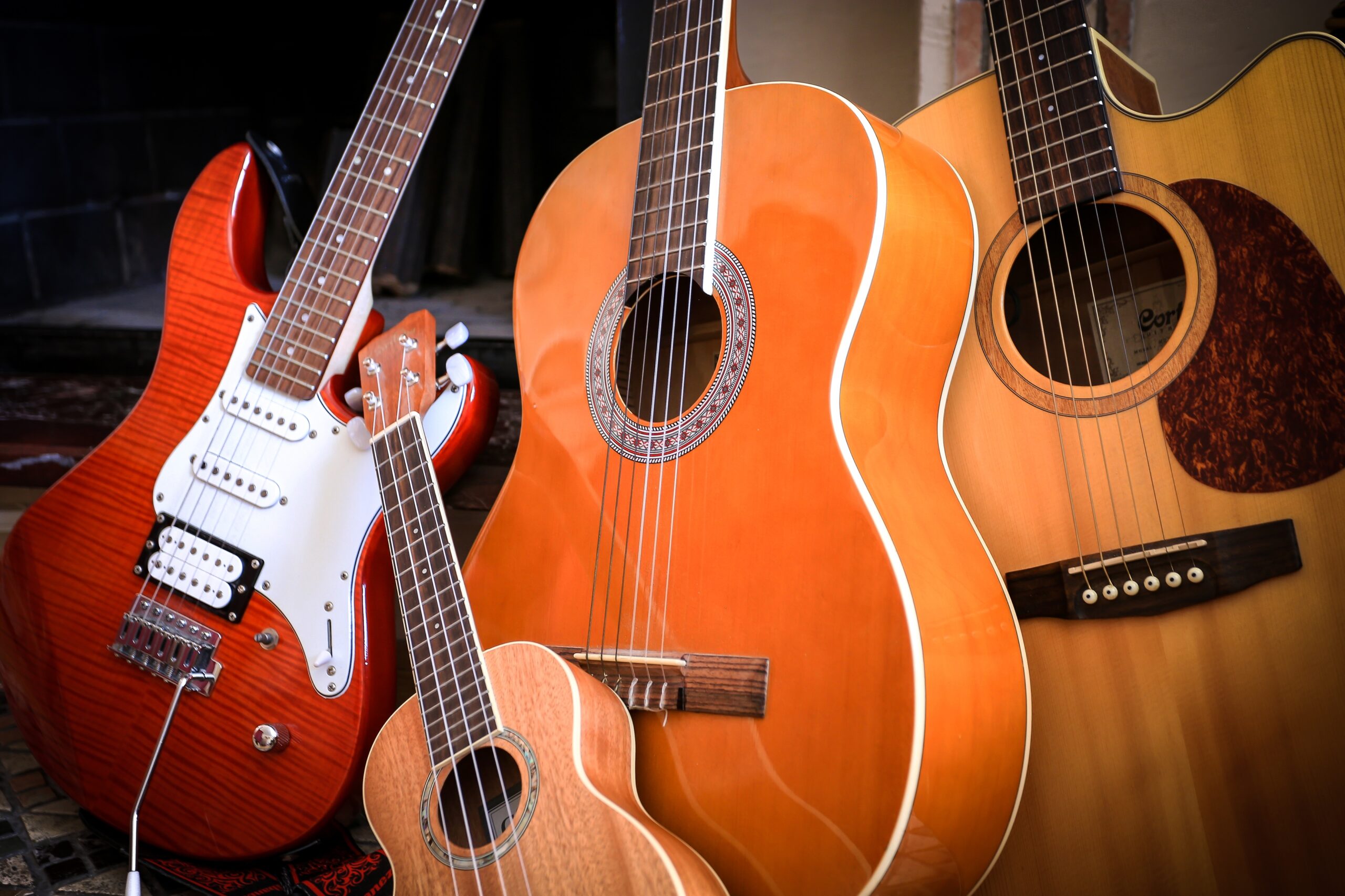
Walking into a music shop is a sensory overload in the best possible way. The smell of wood polish, the gleaming rows of instruments, and the low hum of an amplifier in the corner create an atmosphere of pure potential. However, for many players—whether you are picking up an instrument for the first time or looking to upgrade to a professional rig—the sheer volume of options can be paralyzing. Knowing how to choose a guitar that matches your musical ambitions is the first step toward finding your unique voice.
In this post, let’s break down the design, purpose, and ideal player for the major categories of instruments. We will look at which guitars suit specific genres and how the right instrument can inspire you to practice harder.
When we discuss the different types of guitar, we are really talking about the tool’s intended job. Just as you wouldn’t use a sledgehammer to hang a picture frame, you likely wouldn’t use a nylon-string classical guitar to play death metal (though some brave souls might try). The construction of the guitar—the wood, the electronics, the neck shape—dictates the sound it produces and the technique required to play it.
Understanding these distinctions is crucial. A mismatch between your instrument and your musical goals can lead to frustration and stalled progress. Conversely, the right match makes playing feel effortless. Now let’s explore some guitar types to help you identify which one aligns with your vision.
Deciding how to choose a guitar ultimately comes down to the sound you hear in your head. Are you imagining the campfire strumming of a folk song, or the screaming lead lines of an arena rock solo? Your musical influences are your best compass. We recommend listening to your three favorite albums and noting what instruments those artists are playing. That is usually the best starting point for narrowing down the vast array of guitar types available on the market.
The acoustic guitar is often the starting point for many musicians. Designed with a hollow body that amplifies string vibration naturally, it requires no cables or electricity to be heard.
Acoustics are defined by their shape and wood. A “Dreadnought” is the most common shape, offering a loud, bold tone perfect for strumming. Smaller shapes like “Parlor” or “Concert” guitars offer more mid-range focus, ideal for fingerstyle playing. You will find acoustic guitars dominating genres like folk, country, singer-songwriter pop, and bluegrass.
The acoustic is excellent for beginners because it forces you to develop hand strength. The strings are typically thicker than electrics, which builds calluses and finger independence. However, it is also a lifetime instrument for advanced players who focus on intricate fingerpicking or percussive styles.
Because the acoustic is so exposed—there is no distortion to hide behind—precision is key. We strongly recommend taking online guitar lessons to master the fundamentals of chording and rhythm. Structured guitar lessons online can guide you from basic open chords to complex fingerstyle arrangements without the need for a physical tutor.
For those of us at The Shred Shed, this is where the fun truly begins. The electric guitar uses magnetic pickups to convert string vibration into an electrical signal, which is then amplified.
Electric guitars generally have thinner bodies and thinner necks than acoustics, making them faster and easier to play. They come in solid body (like a Stratocaster or Les Paul), semi-hollow, and hollow body varieties. These are the engines of rock, blues, metal, jazz, and funk. If you want to play soaring solos or heavy riffs, this is one of the essential types of guitar to consider.
While easier on the fingers physically, the electric guitar has a high learning curve for controlling sound. Managing an amplifier, effects pedals, and muting techniques requires skill. It is suitable for beginners who love rock, but it is the primary weapon for intermediate and advanced players.
To truly unlock the potential of an electric, especially for soloing, you need guidance. Finding high-quality online guitar lessons that focus on lead techniques—like bending, tapping, and sweep picking—is vital. Our platform is specifically designed for this, helping you navigate the complexities of guitar lessons online to become a shredder.
The bass is the bridge between rhythm and melody. It typically has four thick strings and produces low-frequency notes that shake the floor.
Bass guitars have longer necks and scale lengths than standard guitars. They are the backbone of almost every modern genre, including rock, pop, R&B, funk, and jazz. While often overlooked by glory-seeking soloists, the bass is what makes people dance.
Bass is often easier to start on because you usually play one note at a time rather than complex chords. However, mastering the “groove” and locking in with a drummer takes years of practice.
Don’t be fooled by the fewer strings; rhythm is a strict master. Taking online guitar lessons (specifically tailored for bass) can teach you the vital role of the root note and timing. There are many resources for guitar lessons online that focus specifically on the rhythm section.
The steel guitar is a fascinating deviation from the norm. Unlike the standard guitar types we have discussed, the steel guitar is played horizontally (lap steel) or on a stand with pedals (pedal steel).
Players use a heavy metal bar (the “steel”) to slide along the strings rather than pressing them down with fingers. This creates a distinctive, crying sound that is seamless in pitch. It is the hallmark sound of classic country, Hawaiian music, and Western swing.
This is generally not a beginner instrument. The technique is vastly different from standard guitar, requiring intricate hand coordination and, in the case of pedal steel, knee and foot levers. It is usually a second instrument for experienced players.
Often confused with the standard steel-string acoustic, the classical guitar is a distinct beast.
The defining feature is nylon strings, which produce a warm, mellow, and soft tone. The neck is wider and flatter to accommodate complex finger placement. As the name suggests, it is the standard for classical music, but also for flamenco, bossa nova, and Spanish folk music.
The soft nylon strings are very gentle on uncalloused fingertips, making this one of the best types of guitar for young beginners. However, true classical technique is disciplined and rigorous, often requiring formal study.
Regardless of the instrument you choose, the path to mastery is a marathon, not a sprint. In today’s digital age, we have access to world-class instruction from the comfort of our homes. Online guitar lessons allow you to learn at your own pace, rewinding difficult sections and practicing whenever inspiration strikes.
Whether you are looking for how to choose a guitar or how to play your first pentatonic scale, the internet provides resources that were unimaginable twenty years ago. High-quality guitar lessons online can provide the structure of a university course with the flexibility of a hobby.
Choosing the right instrument is about more than just aesthetics; it is about finding the tool that allows you to express yourself most clearly. By understanding the different types of guitar—from the rhythmic power of the acoustic to the soaring highs of the electric—you can make an informed decision that fuels your passion.
Remember that how to choose a guitar is just the beginning. The real magic happens in the practice room. Whether you pick up a bass, a classical, or a high-performance electric, the journey is endless.
If you are an intermediate or advanced player looking to take your electric guitar skills to the next level, we are here to help. At The Shred Shed, we specialize in helping you master the art of the solo.
Ready to melt faces? Join The Shred Shed today and start mastering your solos with our interactive pro lessons!
For most beginners, the best choice depends on the music they want to play. However, many teachers recommend a nylon-string classical guitar because the strings are softer on the fingers. Alternatively, a steel-string acoustic is great for building hand strength, while an electric guitar is physically easier to play but requires more equipment (amp, cable). Ultimately, choose the one that inspires you to pick it up every day.
Absolutely. There are countless guitar lessons online designed specifically for those who have never held an instrument. These courses cover the basics of holding the guitar, tuning, and playing your first chords. Online guitar lessons are often structured step-by-step, allowing you to repeat foundational lessons until you are comfortable moving forward.
The main difference lies in the material and the sound they produce. Steel strings (used on acoustic and electric guitars) produce a bright, crisp, and loud sound suitable for rock, pop, and country. Nylon strings (used on classical guitars) produce a warm, mellow, and softer sound ideal for classical and flamenco music. It is important to know how to choose a guitar string that matches your specific instrument, as putting steel strings on a classical guitar can damage it.
Honoring Bob Weir, Grateful Dead Guitarist

Learn How to Play “The Thrill Is Gone”

In-Person vs Online Guitar Lessons

How To Read Guitar Sheet Music

Choosing The Right Guitar For Your Playing Style

The Difference Between Guitar Riffs and Licks